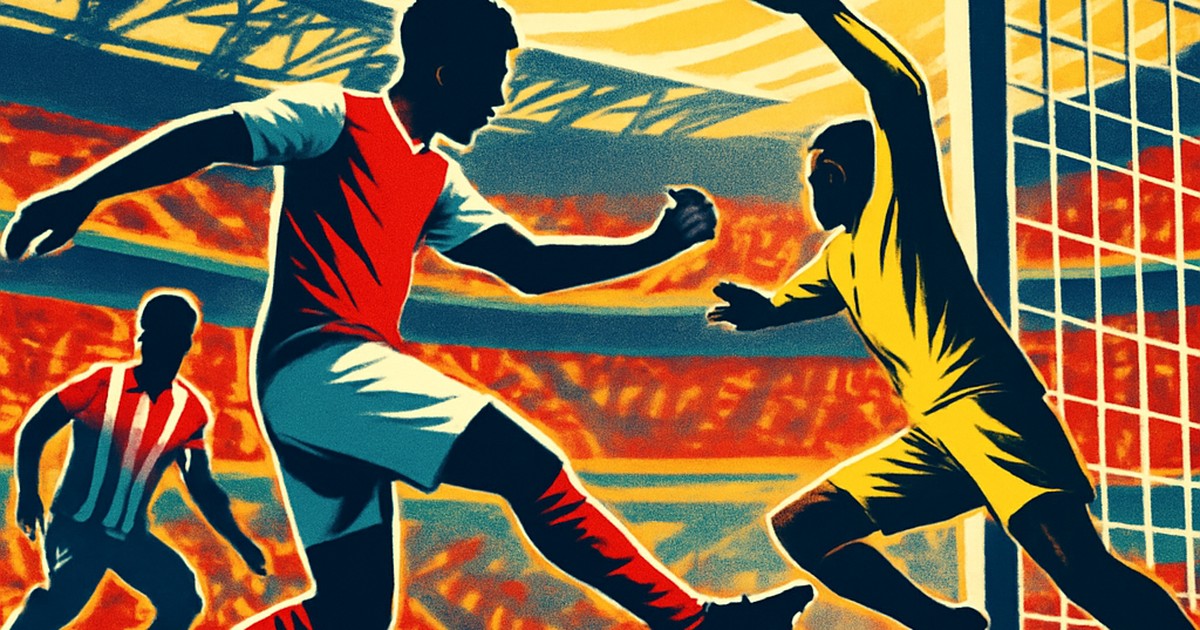

The UEFA Champions League has once again delivered a week of football that will be etched in the memories of fans worldwide. Bayern Munich, with a display of tactical brilliance and sheer determination, ousted Real Madrid from the competition in a thrilling 4-3 encounter that has been hailed as one of the classics of the modern era. This dramatic victory not only sealed a 6-4 aggregate win for Bayern but also ended Real Madrid’s remarkable run of seven consecutive quarter-final appearances. As the dust settles, the semi-final lineup brings forth tantalizing matchups: PSG will face Bayern Munich and Arsenal will take on Atletico Madrid. The latter fixture pits Arsenal manager Mikel Arteta against Atletico’s Diego Simeone, a tactical battle that has seen Arteta come up short in previous meetings. With the first legs set for late April and the grand finale poised for May 30 at the Puskás Aréna in Budapest, fans are eagerly anticipating the next chapter in this storied competition.
Context
This year’s UEFA Champions League quarter-finals have been nothing short of exhilarating, showcasing some of the finest football moments and providing narratives that have captivated the sporting world. The stage was set for a historic showdown as Bayern Munich and Real Madrid clashed in a fixture that promised excitement and delivered even more. Bayern, consistently a powerhouse in European football, entered the game with the weight of expectation on their shoulders, having not won the Champions League since 2023. Meanwhile, Real Madrid, a club synonymous with success in this competition, were looking to continue their impressive streak of reaching the semi-finals for eight consecutive years.
The footballing landscape has shifted significantly over the past few seasons, with clubs focusing on tactical versatility and squad depth to navigate the grueling demands of the Champions League. Bayern Munich, under the management of a tactically astute coach, have honed a style of play that combines high-intensity pressing with fluid attacking movements, a formula that has brought them success domestically. Real Madrid, on the other hand, have relied on their blend of youthful exuberance and seasoned experience, a combination that has seen them dominate both domestically and in Europe since their last Champions League win in 2022.

The significance of this week’s fixtures was amplified by the narratives surrounding the teams involved. Arsenal’s progression past Sporting Lisbon marked their first semi-final appearance in nearly two decades, a testament to the club’s resurgence under Mikel Arteta. Similarly, Atletico Madrid’s efficient disposal of their opponents showcased the tactical mastery of Diego Simeone, a manager renowned for his ability to navigate the knockout stages with precision. As the competition reaches its final stages, these narratives add layers of intrigue and anticipation for what is to come.
What Happened
The Allianz Arena was the setting for what would become a night to remember, as Bayern Munich faced off against Real Madrid in the second leg of their quarter-final tie. Having held Real Madrid to a 2-2 draw at the Santiago Bernabéu in the first leg, Bayern entered the match knowing that a victory would secure their place in the semi-finals. The match began at a frenetic pace, with Bayern taking an early lead through a precise strike from their star forward, who found the net within the opening ten minutes. Real Madrid, undeterred, responded swiftly with a well-worked goal, leveling the score and setting the tone for an end-to-end battle.
As the game progressed, it became a showcase of attacking football, with both teams creating numerous chances and displaying their commitment to an offensive style of play. Bayern’s midfield maestro orchestrated play with surgical precision, dissecting Madrid’s defense repeatedly. However, it was Bayern’s clinical finishing that proved to be the difference, as they restored their lead with two more goals before halftime. Real Madrid fought back valiantly in the second half, narrowing the deficit with a spectacular long-range effort that brought the score to 3-2.
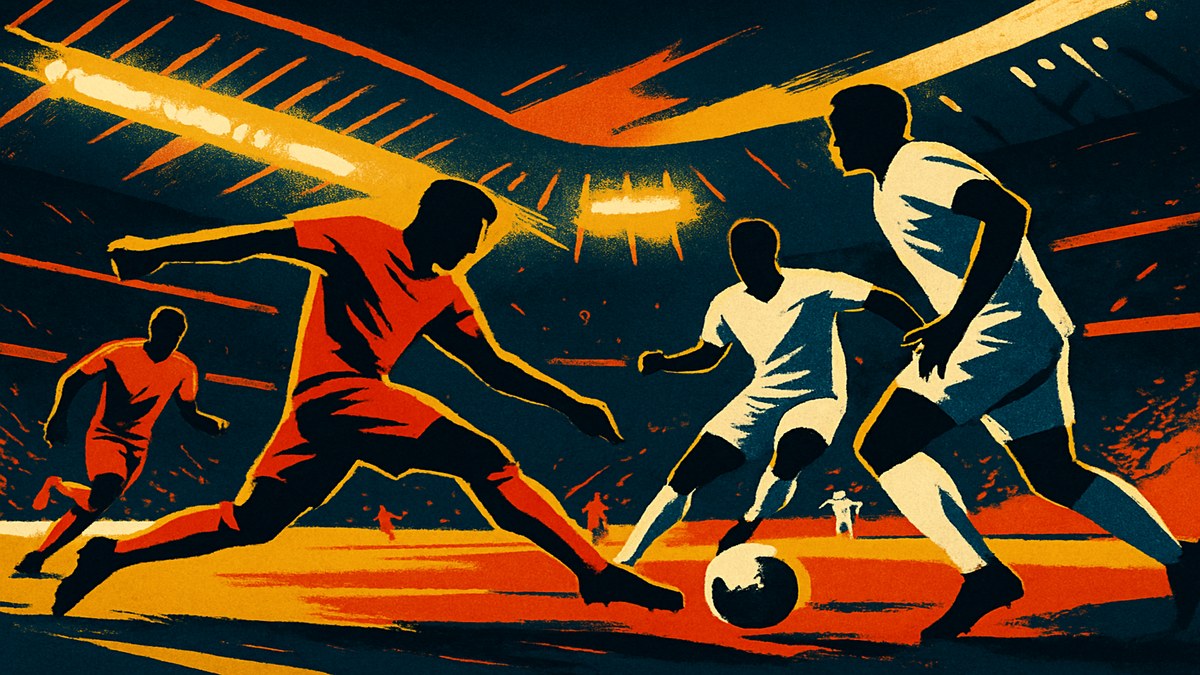
In the final stages of the match, Bayern’s defense stood firm against a relentless Madrid assault, until a last-minute goal from Bayern’s talisman sealed the victory, ending the game at 4-3. This result not only secured Bayern’s spot in the semi-finals with a 6-4 aggregate win but also brought an end to Real Madrid’s remarkable quarter-final streak. The match was hailed by pundits and fans alike as a testament to the quality and unpredictability that the Champions League consistently offers.
Why It Matters
Bayern Munich’s triumph over Real Madrid is significant for several reasons, both for the club itself and the broader landscape of European football. For Bayern, this victory is a reaffirmation of their prowess on the continental stage, a reminder to their rivals that they remain a formidable force capable of challenging for top honors. This result also sends a strong message to Paris Saint-Germain, their upcoming opponents in the semi-finals, that Bayern are more than capable of dismantling Europe’s elite.
From a broader perspective, Bayern’s success signals a shift in the balance of power within European football. With Real Madrid’s exit, a new narrative emerges—one where the traditional dominance of Spanish clubs is increasingly being challenged by teams from Germany, France, and England. This changing dynamic is further evidenced by Arsenal’s resurgence and their upcoming clash with Atletico Madrid, a fixture that pits two contrasting styles against each other: Arteta’s possession-based approach against Simeone’s defensive solidity.
The implications of this match extend beyond the immediate competition, influencing transfer market dynamics and managerial strategies across Europe. Clubs are observing Bayern’s tactical approach and squad management, potentially altering their own strategies to emulate or counter Bayern’s high-octane style. Furthermore, the end of Real Madrid’s streak prompts a period of introspection for the Spanish giant, as they must now reassess their squad composition and managerial direction to regain their standing in future competitions.
How We Approached This
In crafting this feature, we analyzed the tactical elements that defined Bayern Munich’s victory over Real Madrid, paying close attention to player performances and strategic decisions made by the respective managers. Our approach was to provide a comprehensive breakdown of the match, focusing not just on the scoreline but the underlying dynamics that influenced the outcome. We consulted a range of match reports, statistical analyses, and expert opinions to ensure a well-rounded perspective.
At Pitch Report, we prioritize detailed tactical analysis and statistical rigor, aiming to offer our readers insights that go beyond surface-level narratives. For this piece, we emphasized Bayern’s strategic execution and Real Madrid’s valiant effort to highlight the competitive nature of the match. We chose to highlight these aspects to underscore the evolving tactics in modern football and their implications on the game’s highest stage.
Frequently Asked Questions
What made Bayern’s victory over Real Madrid special?
Bayern’s victory was special due to its dramatic nature and tactical mastery. Overcoming Real Madrid, known for their storied success in the Champions League, in such a high-scoring and tense encounter, highlighted Bayern’s attacking prowess and resilience. This victory also ended Madrid’s long-standing quarter-final streak, adding historical significance to the result.
How did Arsenal secure their semi-final spot?
Arsenal secured their semi-final spot following a 0-0 draw against Sporting Lisbon, which was enough to advance due to their 1-0 victory in the first leg. This aggregate win marked Arsenal’s first Champions League semi-final appearance since 2009 and is a significant achievement under Mikel Arteta’s management, highlighting the team’s defensive resilience and strategic discipline.
What are the key matchups to watch in the semi-finals?
The semi-finals will feature PSG vs Bayern Munich and Arsenal vs Atletico Madrid. Key matchups include Bayern’s dynamic attack against PSG’s stalwart defense and Arsenal’s tactical duel against Atletico’s disciplined structure. Both fixtures promise intriguing battles, with tactical nuances and individual brilliance likely to play decisive roles in determining the finalists for the Champions League’s finale in Budapest.
As the Champions League approaches its thrilling conclusion, fans around the world eagerly await the semi-final showdowns. These matches promise not only high-stakes drama but also the tactical masterclasses that define this prestigious competition. Bayern Munich’s triumph over Real Madrid has set the stage, marking a potential shift in European football’s hierarchy. Whether this season will indeed signal a new era or a reinforcement of existing powers remains to be seen, but one thing is certain: the journey to Budapest is lined with promise and anticipation.