
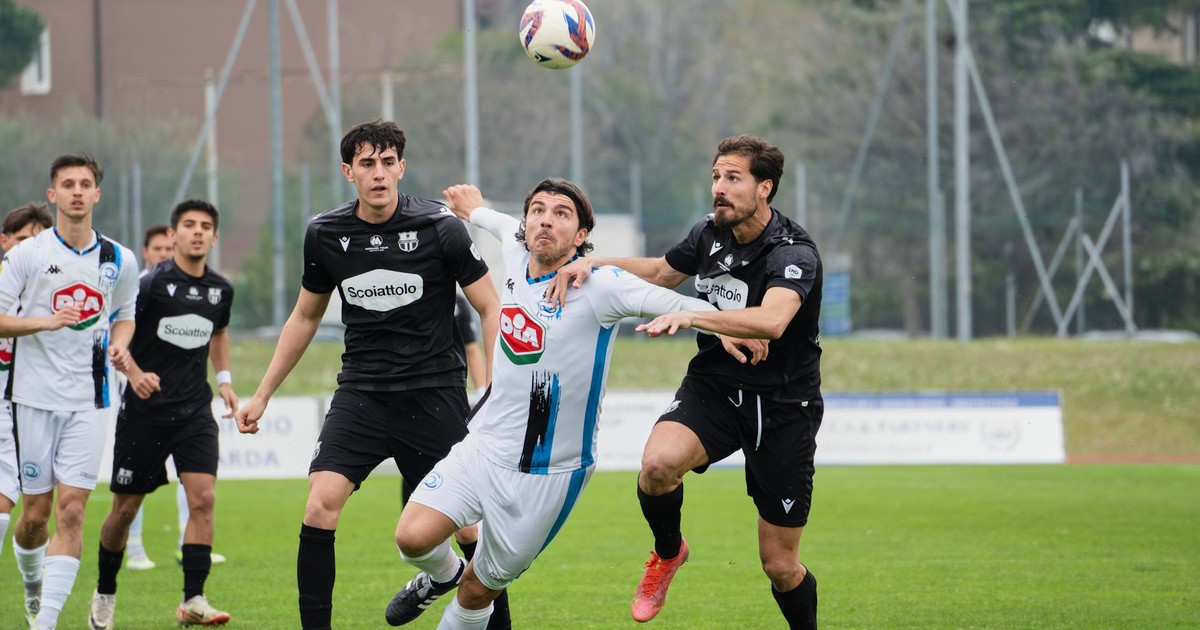
The Relentless Engine: What is the High Press?
In modern football, the battle is often won not in the final third, but in the first. The high press—a coordinated, aggressive tactic of winning the ball back as soon as possession is lost, typically in the opponent’s half—has evolved from a niche strategy to a fundamental pillar for the world’s most dominant teams. It’s more than just running hard; it’s a sophisticated, data-informed system of controlled chaos designed to dominate possession, create high-quality chances, and suffocate the opposition before they can even breathe. This tactical deep dive will decode how the high press works, the key principles behind its success, and the statistical impact it has on the beautiful game.

The Core Philosophy: Why Press So High?
The primary objective of the high press is to win the ball in advanced areas of the pitch. This philosophy is built on a simple, powerful logic: the closer you win the ball to the opponent’s goal, the shorter the distance to travel to score, and the more disorganized the opponent’s defensive structure will be. It’s a proactive, rather than reactive, approach to defending. Teams like Liverpool under Jürgen Klopp, Manchester City under Pep Guardiola, and Bayern Munich have turned this into an art form, using it as their primary weapon to control matches.
The benefits are multi-faceted:
- Territorial Dominance: It pins opponents back, allowing the pressing team to control the game’s geography.
- Psychological Pressure: It forces errors from defenders and midfielders who are not comfortable under intense duress.
- Transition Gold: It creates immediate goal-scoring opportunities from quick turnovers, often against an unbalanced defense.
- Energy Conservation (Paradoxically): By winning the ball high, a team spends less time in exhausting, organized defensive shapes in their own half.
The Triggers: When to Unleash the Pack
A successful high press isn’t constant, mindless harassment. It’s a calculated hunt, initiated by specific triggers. These are visual or situational cues that signal the optimal moment to pounce as a unit. Common triggers include:
- A Back-Pass: When an opponent passes the ball backwards, especially to their goalkeeper or a center-back under pressure.
- A Poor Touch: A heavy first touch from a receiving opponent is a glaring invitation.
- A Pass to a Vulnerable Player: Directing the press towards an opponent known to be weak under pressure or with poor passing range (e.g., a full-back on their weak foot).
- A Slow or Square Pass: Any pass across the pitch that lacks pace and gives the pressing team time to shift and close angles.
When a trigger is identified, the nearest player applies immediate pressure, while his teammates cut off passing lanes, creating a suffocating web around the ball carrier.
The Architectural Blueprint: Shapes and Shadows
The geometry of the press is crucial. The most common structural frameworks are:

- 4-3-3 / 4-2-3-1 Block: The front three (or two wingers and a central striker) lead the press, curving their runs to force play inside into congested areas where central midfielders lie in wait. The defensive line pushes up to compact the space, often operating near the halfway line.
- Man-Oriented Pressing: Popularized by managers like Marco Rose and Ralph Hasenhüttl, this involves players marking specific opponents man-to-man all over the pitch, creating a series of individual duels to force turnovers.
- Zonal-Trigger Hybrid: Used masterfully by Pep Guardiola, players occupy specific zones but switch to man-marking once a trigger occurs, ensuring no opponent is left free as an outlet.
The key is synchronicity. If one player presses and the rest don’t follow, huge gaps open up, making the team vulnerable to a simple line-breaking pass. It requires immense tactical discipline and physical conditioning.
The Data Behind the Chaos
The effectiveness of the high press is no longer just anecdotal; it’s quantifiable. Key performance indicators (KPIs) used by analysts include:
- PPDA (Passes Per Defensive Action): This measures how many passes an opponent makes in your defensive third before you attempt a tackle, interception, or foul. A lower PPDA indicates a more intense press. Top pressing teams often average between 8 and 12.
- High Turnovers: The number of times a team wins the ball within 40 meters of the opponent’s goal. This is the direct statistical output of a successful press.
- Field Tilt: The percentage of final third possession a team has. A high press directly correlates with a high field tilt, as it keeps play in the opponent’s half.
- Goals from High Turnovers: The ultimate metric—how many goals are scored within 20 seconds of winning the ball high up the pitch.
For example, Liverpool’s title-winning 2019/20 season saw them consistently near the top of the Premier League in both the fewest PPDA and most goals from high turnovers, proving the direct link between the tactic and results.
The Physical and Mental Demands
Executing a high press for 90 minutes is one of the most demanding tasks in football. It requires:
- Elite Aerobic Capacity: Players cover immense distances, often in short, explosive bursts.
- Strength and Agility: To engage in duels, shield the ball after winning it, and change direction rapidly.
- Tactical Intelligence: Understanding when to press, when to hold, and reading the game one step ahead of the opponent.
- Squad Depth: The physical toll necessitates a deep squad with players of similar attributes to maintain intensity throughout a season.
This is why managers with a pressing philosophy place such a heavy emphasis on pre-season fitness and have specific player profiles in mind for recruitment.
Countering the Press: The Eternal Chess Match
As the high press has become ubiquitous, so have the tactics to beat it. The tactical arms race continues. Effective counter-measures include:
- Playing Through the Press: Using technically gifted defenders and midfielders (like Rodri at City or Frenkie de Jong at Barcelona) to receive under pressure and play incisive, line-breaking passes.
- Long Balls to a Target: Bypassing the press entirely with direct passes to a physical forward or into the channels for pacey wingers to chase.
- Formational Fluidity: Creating numerical overloads in build-up (e.g., a 3-2-5 shape) to outnumber the first wave of the press and find a free man.
- Calmness and Deception: Encouraging players to use feints, body shape, and one-touch combinations to lure pressers out of position before exploiting the space.
Conclusion: The Defining Tactic of an Era
The high press is more than a tactic; it’s a statement of intent. It represents a shift towards proactive, possession-through-pressure football that seeks to control every facet of the game. While physically grueling and mentally taxing, its rewards—statistical dominance in turnovers, territorial advantage, and a high volume of quality chances—make it an irresistible strategy for the elite. As data analytics continue to refine triggers and player positioning, and as opponents devise new ways to escape, the high press will continue to evolve. But its core principle will remain: the best form of defense is to never let the opponent have the ball in the first place. For fans of energetic, stat-driven football, understanding the nuances of the press is key to decoding the modern game’s most compelling battles.